



FOAM AND TEXTILE RECYCLING MACHINES
Industrial waste recycling solutions for bedding and upholstery manufacturers
Foam, textile and fiber scraps generated during manufacturing can be processed into reusable materials instead of being discarded. At Brighi Group, we develop foam and textile waste recycling machines and integrated recycling lines for bedding, home textile and upholstery manufacturers.
Depending on the input material and the desired output, Brighi offers three main recycling processes: shredding, opening and rebonding. These technologies make it possible to produce shredded foam and opened textile and fiber for filling applications, and rebonded polyurethane foam blocks for mattresses, sofas and other upholstered products.
THREE BENEFITS OF RECYCLING PRODUCTION WASTE

REDUCE COSTS FOR
WASTE MANAGEMENT
Production scraps can follow different recycling routes to obtain different materials such as shredded foam, opened textile or fiber, and rebonded blocks.
OPTIMIZE
MATERIAL CONSUMPION
By reusing waste in your production process, either alone or blended with virgin materials, you can reduce the need for new raw materials while making better use of existing resources.

Opportunities for differentiation
Using recycled production waste in new products can help manufacturers strengthen their sustainability proposition and differentiate their offer in the market.
PRODUCTION WASTE RECYCLING
The right recycling technology depends on both the material you need to process and the output you want to obtain.
SHREDDING
We have developed a wide range of shredders in different sizes and cutting configurations. The machines use blades selected according to the material being processed and the required output. An extraction system collects the shredded material and transfers it to subsequent processing equipment.
The shredded material can then follow different production routes. It can be used as a filling material, including in blends with virgin material to reduce the amount of virgin raw material required, or it can become the input material for a subsequent rebonding process
OPENING
Our opening machines is designed to process different types of textile and fiber production waste, including fabric scraps, nonwoven materials and quilted textiles. Through a series of opening stages, the machines progressively separate the material into fibers. The characteristics of the opened output depend on the input material and the machine configuration.
REBONDING
We have developed the FA-400 rebonding machine to process previously shredded materials through three main stages: mixing the shredded material with a chemical binder, discharging the mixture into a mold, and pressing the material to form a compact block.
The resulting blocks can be cut and processed into mattress components, cushioning layers and upholstered furniture applications, providing a way to reuse shredded production waste in new products.

RECYCLED MATERIALS
Production waste can be transformed into different reusable materials depending on the recycling process, the input material and the desired output.
From shredded foam and textile to opened fibers and rebonded blocks, Brighi solutions allow manufacturers to give production scrapsa new purpose and reintroduce recycled material into the production cycle.
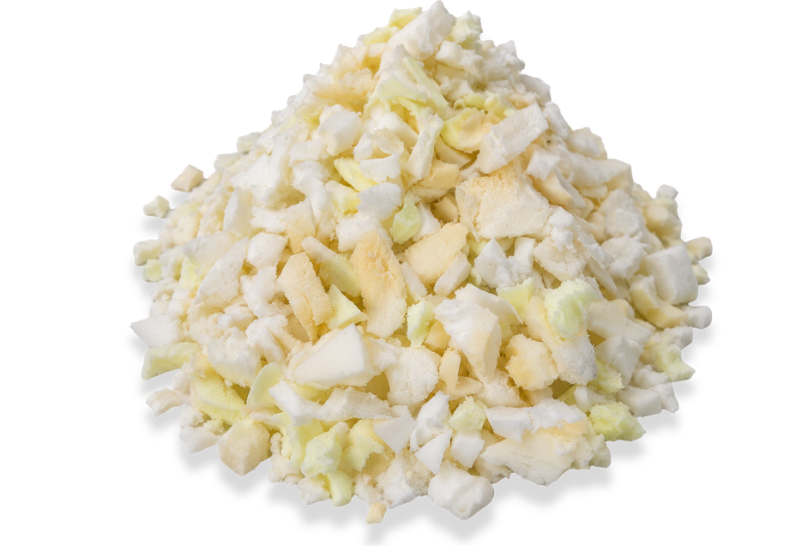
SHREDDED FOAM
Foam production scraps can be shredded into smaller pieces and turned into a reusable material, for example as filling.
In particular, it can be used on its own or blended with virgin material to reduce virgin material consumption. It can also be used as input material for the rebonding process.
DISCOVER OUR SOLUTION FOR SHREDDED FOAM
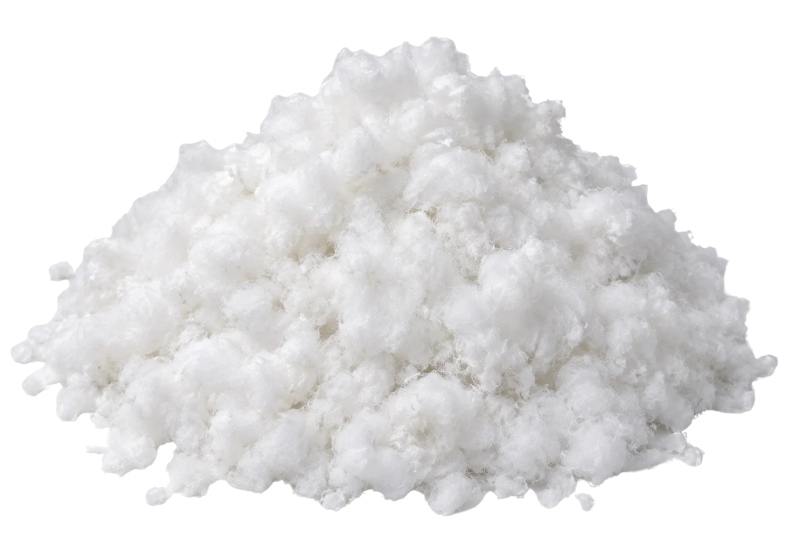
OPENED TEXTILE AND FIBER
The opening process separates textile and fiber production scraps into loose, recovered fibers that can be reused in new products.
The resulting material can be used as filling for pillows, cushions and upholstered products, either alone or blended with virgin fibers.
DISCOVER OUR SOLUTION FOR OPENED TEXTILE AND FIBER
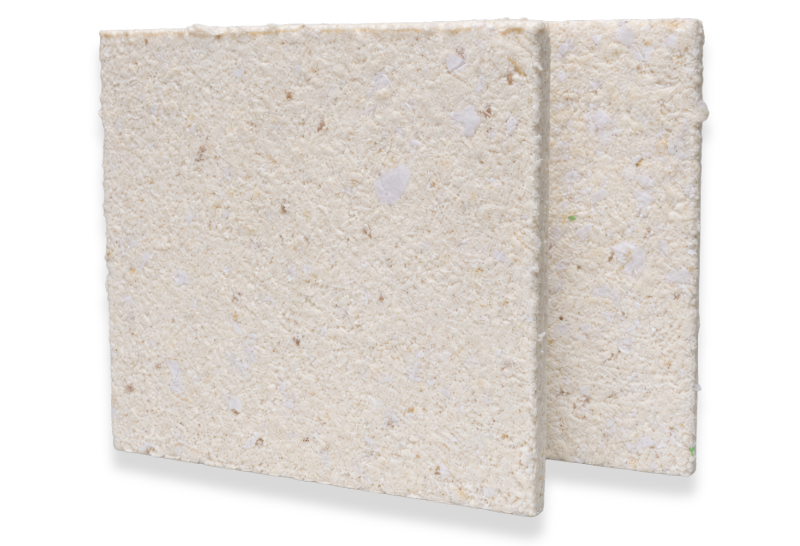
REBONDED FOAM
Shredded foam can be mixed with a chemical binder and pressed into a new rebonded foam block.
This process provides an additional way to reuse foam production scraps after shredding,
transforming loose shredded material into a compact block.
Shredded foam and shredded textile can also be
combined during the rebonding process.
DISCOVER OUR SOLUTION FOR REBONDED FOAM
YOUR WASTE. OUR TECHNOLOGY. NEW POSSIBILITIES,
Every material has different characteristics. Finding the right recycling solution starts with understanding your waste stream.
Talk to our team about your production scraps, recycling objectives and potential applications.
Let’s explore how your waste can become a resource.
LET’S DISCUSS YOUR RECYCLING PROJECT
Fill out the form to receive a customized consultation, and together we will find the right solution for your needs.
FAQ
A foam shredding machine processes foam production scraps, reduces their volume and transforms them into shredded foam. With the Brighi SF-200, the resulting material can be used as filling material or as input for a subsequent rebonding process.
Brighi offers two different processes for textile production waste depending on the required output. The SF-200 can process textile scraps to obtain shredded textile, while the SF-300 is used to obtain opened textile. Textile scraps can also be used in rebonded blocks.
A rebonded foam machine processes shredded material to produce a block of rebonded foam. In the Brighi FA-400 process, shredded foam is mixed with a chemical binder, discharged into a mold and then pressed to obtain a rebonded foam block.
Yes. Shredded foam and shredded textile can be combined in the rebonding process with a chemical binder and pressed to obtain a rebonded block.